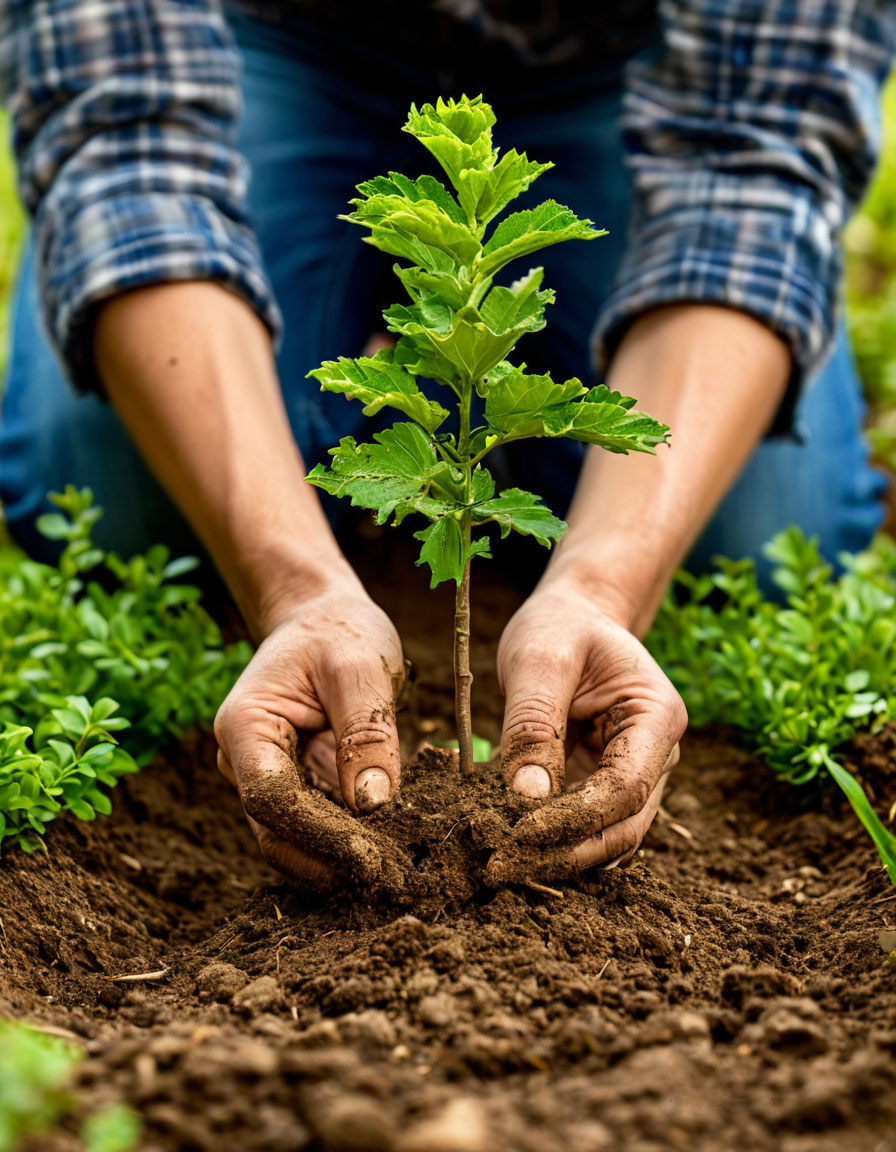
A Pathway to Sustainable Living Regenerative Culture: A Pathway to Sustainable Living In the face of rising environmental challenges and socio-economic disparities, the concept of regenerative culture has emerged as a transformative approach toward cultivating a sustainable and equitable future. While traditional sustainability practices often focus on minimizing harm, regenerative culture goes a step further by actively seeking to restore, renew, and revitalize the ecosystems and communities in which we live. Understanding Regenerative Culture At its core, regenerative culture encompasses a holistic framework that integrates ecological health, social equity, and economic viability. It emphasizes the interconnectedness of all life forms and promotes practices that enrich the planet and foster community resilience. Unlike conventional approaches that often prioritize short-term benefits or merely aim to reduce negative impacts, regenerative culture encourages systems thinking and long-term stewardship of resources. Key Principles of Regenerative Culture Ecological Restoration: Regenerative culture seeks to restore degraded ecosystems, enhance biodiversity, and improve soil health. This can involve practices such as reforestation, permaculture, and regenerative agriculture, which aim to work in harmony with natural processes rather than against them. Community Engagement: Community involvement is essential in fostering a regenerative culture. Engaging local populations in decision-making processes and encouraging collaboration cultivates a sense of ownership and empowerment, leading to stronger, more resilient communities. Cultural Revitalization: Acknowledging and honoring indigenous knowledge and practices plays a critical role in regenerative culture. By embracing diverse cultural perspectives and wisdom, we can create more inclusive and adaptable solutions to contemporary ecological challenges. Economic Systems that Empower: Regenerative culture promotes alternative economic models that prioritize local self-sufficiency, equality, and circular economies. This includes initiatives like local farming, cooperative businesses, and fair trade practices that benefit individuals and communities over profit-driven motives. Education and Awareness: Raising awareness about the principles and practices of regenerative culture is vital for driving systemic change. This includes integrating sustainability education into curricula, creating accessible resources, and fostering a culture of lifelong learning. Benefits of Regenerative Culture Adopting a regenerative culture holds numerous benefits for individuals, communities, and the planet. Firstly, it enhances ecological resilience, enabling ecosystems to better withstand climate impacts and recover from disturbances. Secondly, it fosters social cohesion by building strong networks of support and collaboration among community members. Furthermore, regenerative practices can lead to improved economic opportunities, as communities invest in local resources and sustainable practices. Examples in Action Several initiatives worldwide exemplify regenerative culture in action. For instance, the "Regenerative Organic Certification" program promotes farming practices that benefit soil health, animal welfare, and social fairness. Similarly, organizations like "The Regenerative Communities Network" focus on collaborative projects that revitalize local economies and ecosystems while prioritizing equity and inclusivity.
As we navigate the complexities of the 21st century, embracing a regenerative culture offers a hopeful pathway toward creating a thriving planet and equitable societies. By prioritizing restoration, collaboration, and holistic thinking, we can move beyond mere sustainability to cultivate systems that enhance life in all its forms. The journey toward a regenerative future calls for collective action, creativity, and deep-rooted commitment, but the rewards are a healthier planet and more vibrant communities for generations to come.